Work we can show, and the reasons we mostly cannot

Case files stay closed. What follows is the shape of the practice rather than the people inside it: the rooms we work in, the documents we prepare, and the quiet objects that mark a week of intake, court dates, and follow-up calls.

Intensive Abuse Unit company

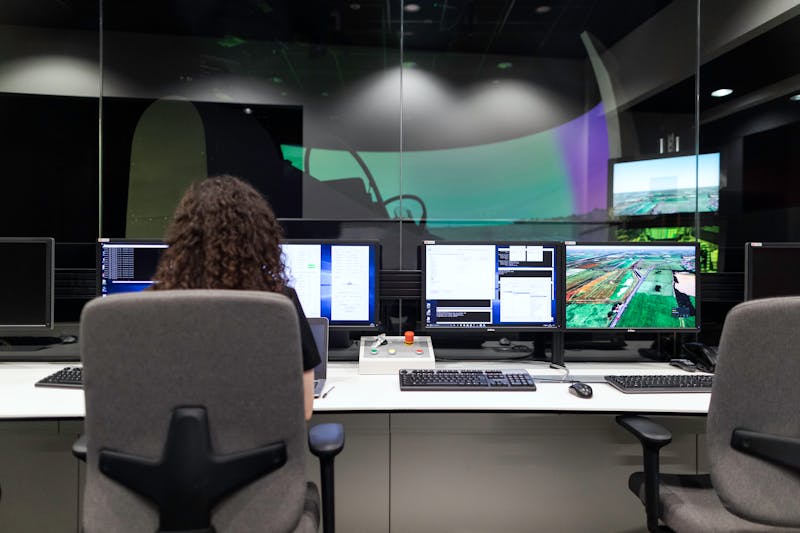
Intake

First conversation notes

What we write down, what we leave out, and why a survivor reads the summary before it goes anywhere.
Intensive Abuse Unit company

Counselling

The room we use

Two chairs, a low table, and a door that closes properly. Sessions run in English, isiXhosa, or Afrikaans with a booked interpreter.

Intensive Abuse Unit company

Referrals

The referral pack

Shelter contacts, legal aid clinics, and public health points across the Western Cape and Gauteng, assembled for social workers.

Intensive Abuse Unit company

Court preparation

Walking through the day

Who sits where, how long a wait can run, and what a protection order actually changes once it is granted.

Intensive Abuse Unit company

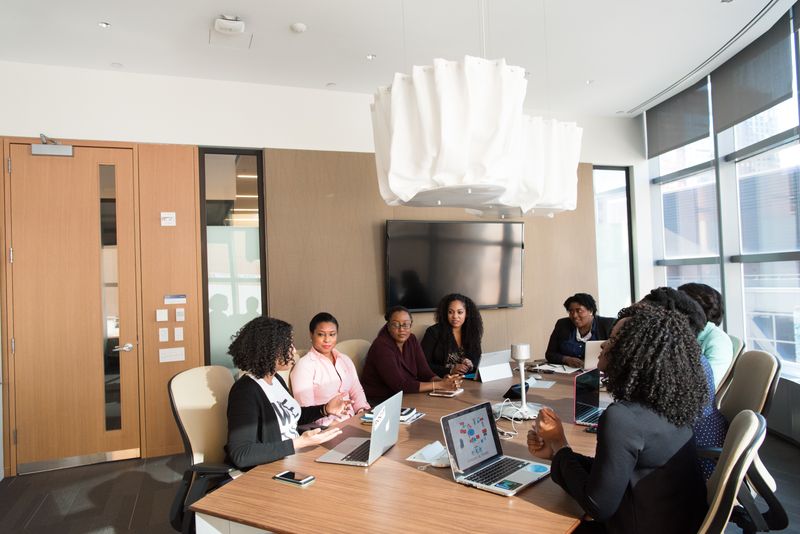
Family support

When a parent calls

Mothers, siblings, and adult children often make the first call. We explain what we can share and what stays with the survivor.
Intensive Abuse Unit company

Follow-up

The second call

If the first call goes unanswered we try once more, then leave it. No messages that name the unit on a shared phone.

How the unit took shape

The Intensive Abuse Unit did not begin as an organisation with a name. It began as a handful of counselling sessions run out of a shared office in Cape Town, where social workers kept sending people they had nowhere else to place. Court dates were close, shelters were full, and the paperwork was being done on the same afternoon as the first conversation.

  1. First stage

    Intake before anything else

    The earliest decision was to slow the first meeting down. Instead of a form, we built a structured intake conversation: what is happening now, who else is in the house, what has already been reported, and what the person wants to happen next. That format still runs today and shapes everything that follows, including safety planning and court preparation.

  2. Second stage

    A referral network, not a waiting list

    We stopped trying to hold every case ourselves. Relationships were built with shelters, legal aid clinics, and public health services across the Western Cape and Gauteng, so a survivor could be handed to the right door rather than told to come back. Referrers now send a short written note, we schedule the intake call, and the case stays with one counsellor from there.

  3. Third stage

    Writing that people can actually read

    Court preparation material was rewritten in plain English, with isiXhosa and Afrikaans summaries where we could arrange them. The same rule applies to this site: no names, no identifying case details, no graphic descriptions. Confidentiality is not a disclaimer at the bottom of a page, it is a working constraint on how we write and what we keep.

  4. Where we are now

    One counsellor, one thread

    The unit today runs ongoing one-on-one counselling, safety planning sessions, and court support alongside the referral work. Families are included when the survivor wants them included, and left out when they do not. The measure we care about is whether someone can describe their own situation clearly by the end of the first month, and know which number to call at eleven at night.

How the unit took shape

The Intensive Abuse Unit grew out of years of casework in Cape Town courts, clinics, and shelters. What follows is the sequence of decisions that turned a small advocacy desk into a practice working across the Western Cape and Gauteng.

  1. 2016

    A single intake desk in Cape Town

    The work started with one practitioner taking structured intake calls from a shared office. The first safety plans were written by hand, reviewed weekly, and kept in a locked cabinet because there was no case system yet.

  2. 2018

    Court preparation becomes a standing service

    After repeated requests from legal aid attorneys, court preparation was separated from general counselling. Survivors now walk through the layout of a courtroom, the sequence of a protection order hearing, and what a cross-examination day actually looks like before they arrive.

  3. 2020

    Referral routes into shelters and clinics

    Formal agreements with shelters, legal aid clinics, and public health services replaced informal phone favours. Referrals are now logged without names, and the receiving service knows what to expect before the client arrives.

  4. 2022

    Materials in three languages

    Written guidance was rewritten in plain English with isiXhosa and Afrikaans summaries, after interpreters pointed out that survivors were reading forms they could not follow. The referral pack for social workers was revised in the same pass.

  5. 2024

    Gauteng referrals and ongoing counselling

    The unit extended its referral network into Gauteng while keeping one-on-one counselling continuous rather than session-limited. Confidentiality rules were tightened again: no names, no identifying case detail, no graphic description in any file or summary.

Why the unit exists

A practice built around what survivors actually need next

The Intensive Abuse Unit began because too many people leaving violent homes were being handed a phone number and nothing else. Court dates arrived before anyone had explained the process. Shelters had waiting lists. Social workers carried caseloads that left no room for the slow, repeated conversations recovery often requires. We set up in Cape Town to fill that gap with something steadier: structured intake, safety planning that gets revised as circumstances change, and counselling that continues past the first crisis.

Our work is deliberately narrow. We do not run a walk-in centre or a crisis line. What we do is take referrals from social workers, clinics, and legal aid attorneys, then stay with a person through the practical sequence that follows disclosure, from a first intake conversation to court preparation to a referral into a shelter or public health service. Families and children are part of that picture, not an afterthought.

Confidentiality as a working rule

No names, no identifying case details, no graphic descriptions in anything we write or share. Files stay with the practitioner who opened them, and summaries are stripped of anything that could trace back to a person.

Plain language, three languages

Materials are written in straightforward English, with isiXhosa and Afrikaans summaries wherever we can manage it. Legal and medical terms get explained rather than assumed, because a form nobody understands is a form nobody signs.

Referrals that hold up

We keep working relationships with shelters, legal aid clinics, and public health services across the Western Cape and Gauteng, so a referral is a warm handover rather than a name on a list.

Pace over urgency

Trauma work does not run on our schedule. Sessions are spaced so people have room to think between them, and a missed call is followed up quietly rather than treated as a closed case.

Families in the room

Children, parents, and caregivers are often the ones holding a household together during a case. We plan for them too, including school routines, transport, and who a child can call at night.

What we expect to change

A survivor who knows the next three steps, has a safe place to sleep, and understands what a protection order does is in a different position than one who does not. That is the outcome we work toward.

Cookie settings

We use cookies to keep the site reliable, remember basic choices, and understand which pages are useful. You can accept, reject, or review the settings before continuing.